Tracing Gesture Control Innovations Linking Blackjack Decisions with Live Sports Wagers on Handheld Platforms
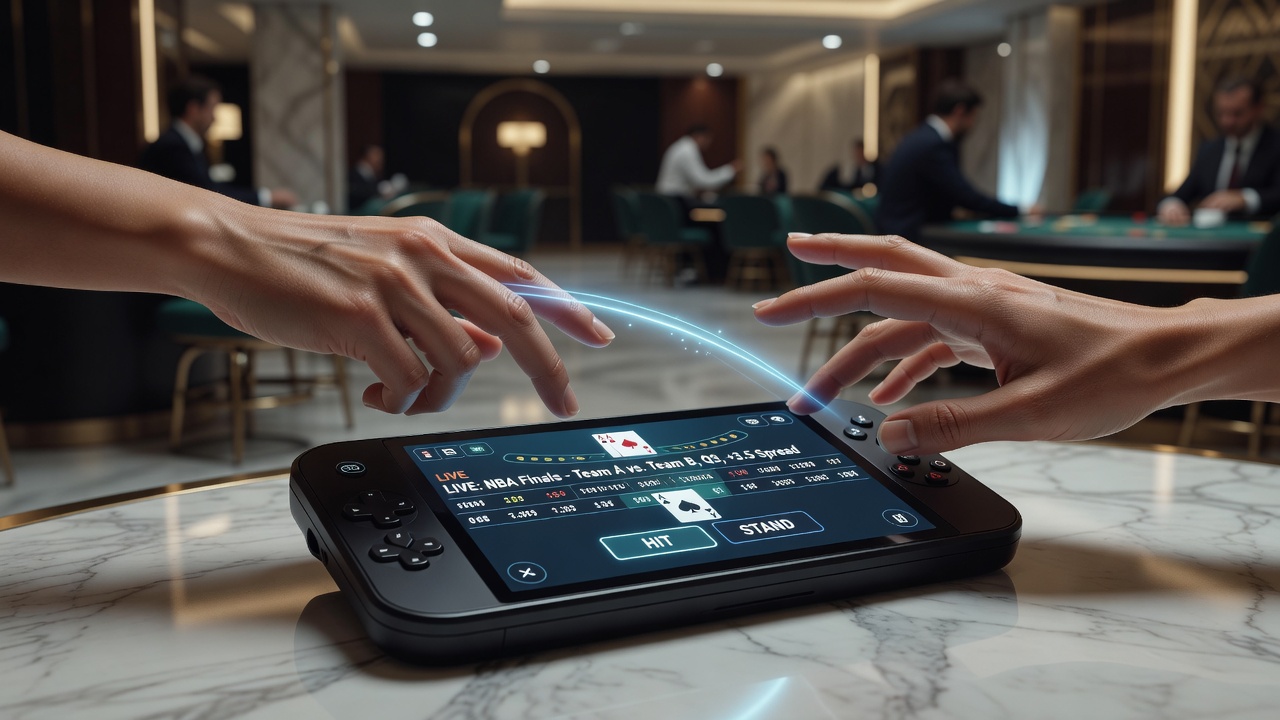
Gesture control systems have begun connecting blackjack table decisions directly to simultaneous live sports wagers on handheld casino platforms, and developers have integrated motion sensors with betting interfaces since early testing phases. These technologies allow users to execute card choices through hand movements while adjusting sports bet parameters in the same session, and data from platform operators shows increased session durations where such features appear. In July 2026 several operators reported expanded deployment of these tools across North American markets.
Development of Integrated Gesture Systems
Engineers at major software providers combined accelerometer data with touchless recognition algorithms to create seamless transitions between blackjack strategy inputs and sports wager modifications, and the result links a player's physical gestures for hitting or standing with real-time odds adjustments on adjacent betting windows. Observers note that this integration draws from earlier mobile gaming experiments where separate gesture sets handled different game types, yet recent versions merge the controls into unified sequences. Research from the University of Nevada Reno indicates that such combined interfaces reduce input errors by measurable margins when tested under controlled conditions.
Platforms now embed these capabilities into apps that support multiple jurisdictions, and users perform a flick motion to confirm a blackjack decision while a subsequent tilt adjusts stake amounts on live football or basketball markets. The New Jersey Division of Gaming Enforcement has documented rising adoption rates for apps featuring these functions, with transaction logs showing parallel activity spikes during major sporting events.
Technical Mechanisms Behind Simultaneous Controls
Sensor fusion techniques process gyroscope readings alongside computer vision data to distinguish intentional blackjack gestures from sports bet commands, and calibration routines adapt to individual user patterns over successive sessions. Developers incorporate machine learning models trained on thousands of recorded movements, which allows the system to differentiate a subtle wrist rotation for doubling down from a swipe that places an accumulator bet on a concurrent tennis match. According to figures released by the American Gaming Association, handheld platforms with these features processed higher volumes of combined wagers during peak periods in 2026.
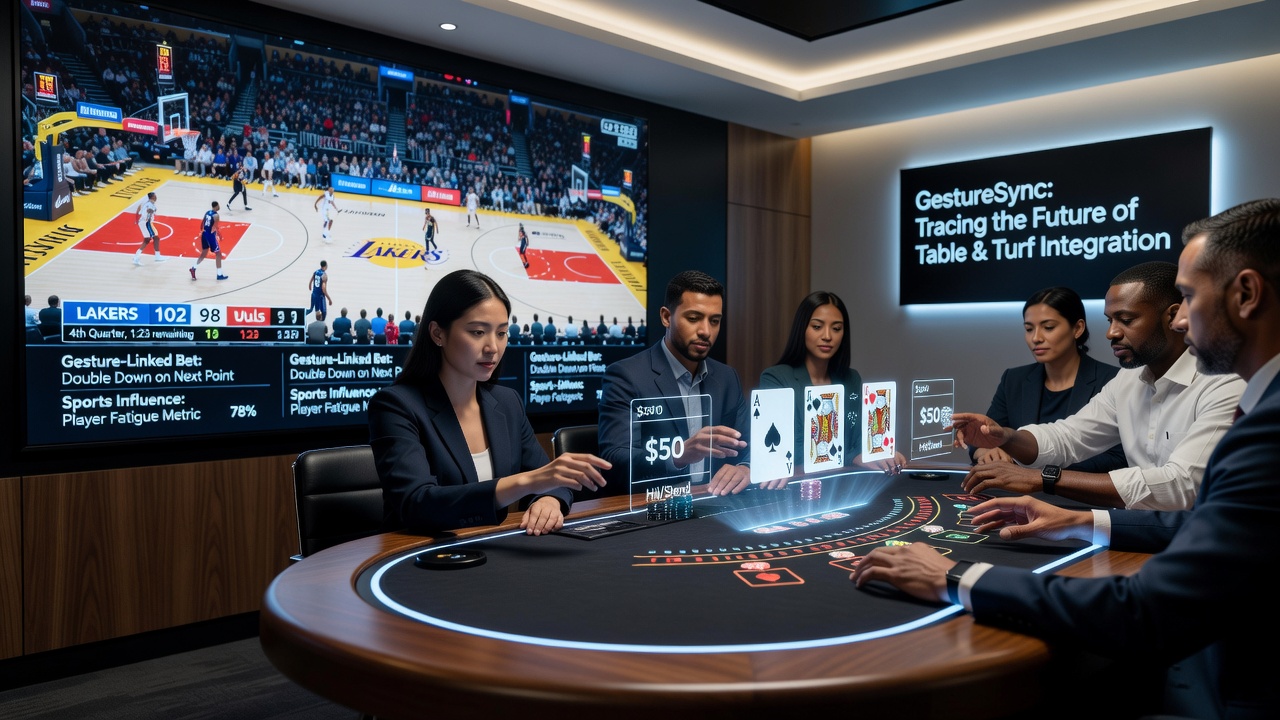
Latency reduction remains central to these innovations, because delays between gesture execution and wager confirmation can disrupt the flow between table play and sports markets. Engineers addressed this through edge computing nodes that handle local processing before syncing with central servers, and tests conducted by independent labs confirmed response times under 150 milliseconds for most common gesture combinations. Those who have examined the underlying code note that separate gesture libraries for each activity still share core recognition modules to maintain consistency across the platform.
Regulatory and Market Context in Mid-2026
Regulatory bodies in multiple regions have issued guidance on gesture-based verification methods to ensure compliance with responsible gaming standards, and operators must demonstrate that simultaneous blackjack and sports features include clear separation between game states. In July 2026 updates from Canadian provincial regulators highlighted ongoing reviews of these integrated systems, with particular attention to data handling practices that link user movements across different betting categories. Market data indicates steady growth in jurisdictions where handheld devices support full gesture suites alongside traditional controls.
Case examples from early adopters show players completing a sequence of blackjack decisions through air gestures while monitoring live odds feeds for baseball games, and the platforms record these actions as distinct yet concurrent events. Industry reports compiled by European trade groups reveal similar patterns emerging in markets that permit multi-vertical betting on single devices, although implementation details vary by local licensing requirements.
Future Directions for Gesture Integration
Additional refinements under development focus on expanding gesture vocabularies to include more complex blackjack strategies and layered sports bet types, and preliminary trials suggest potential for predictive adjustments based on accumulated gesture history. Observers tracking these developments point to collaborations between hardware manufacturers and gaming software firms as key drivers behind broader availability. Data collected through mid-2026 continues to inform iterative improvements that maintain separation between the two activity streams while enabling fluid user experiences.
Conclusion
Gesture control innovations continue to evolve the connections between blackjack table choices and live sports wagers on handheld platforms, supported by technical advances and regulatory oversight across regions. Platform metrics from 2026 reflect ongoing integration efforts that prioritize accuracy and compliance, while research contributions from academic and industry sources guide further refinements in sensor application and user interface design.