Navigating Intersections of Risk Assessment Algorithms Across Digital Table Variants and Athletic Event Predictions on Compact Gaming Devices

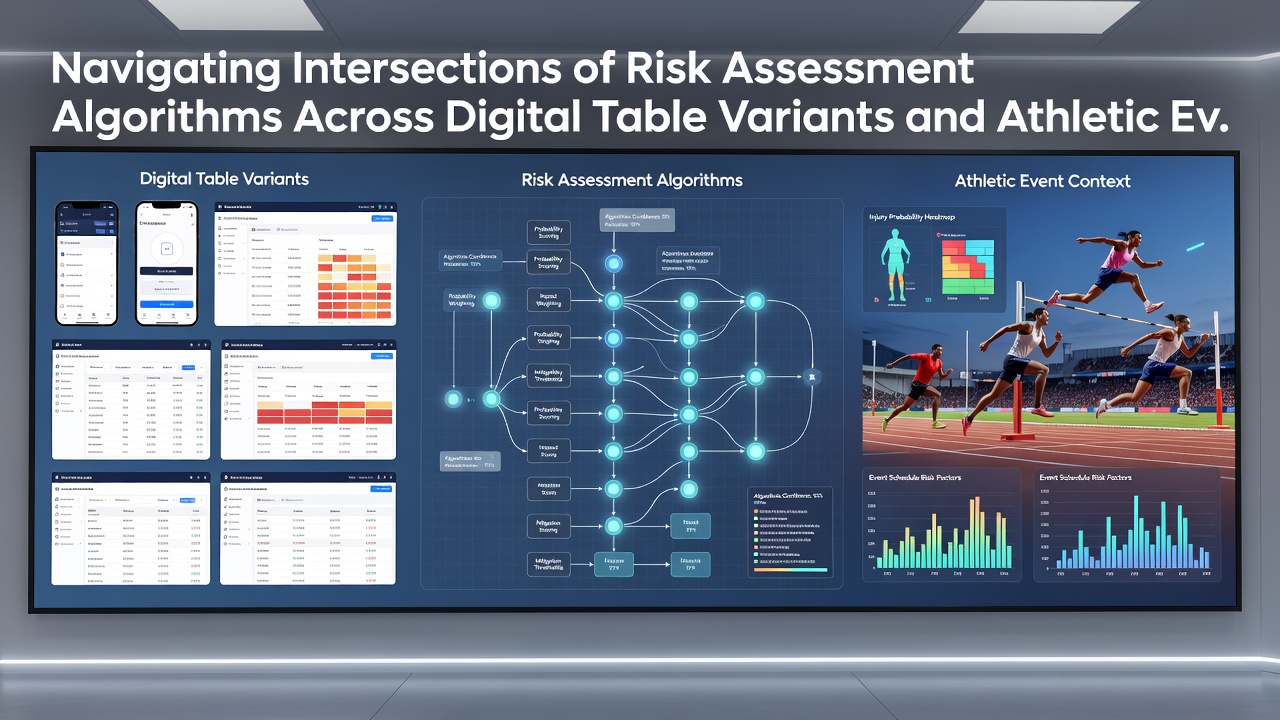
Compact gaming devices now host sophisticated risk assessment algorithms that operate across digital table variants such as blackjack and roulette while simultaneously powering athletic event predictions in sports betting modules. These systems analyze player data in real time to evaluate patterns, detect anomalies, and adjust parameters for both casino-style games and live sports wagers. Data from industry reports shows that mobile platforms process millions of transactions daily, requiring algorithms to balance speed with accuracy on devices with limited processing power.
Core Components of Risk Assessment in Mobile Environments
Algorithms in these applications rely on machine learning models trained on historical betting data, session duration, and wager frequency to generate risk scores. Researchers at various academic institutions have documented how these models incorporate variables like bet sizing relative to account balance and response times to prompts during live dealer sessions. In athletic predictions the same frameworks evaluate odds fluctuations and user adjustments to parlay structures, creating unified risk profiles that span game types.
Developers integrate decision trees and neural networks to flag potential issues such as rapid successive bets or unusual stake escalations. According to findings from the Nevada Gaming Control Board, mobile operators must maintain audit trails that capture these algorithmic outputs for regulatory review. This requirement extends to table game variants where risk thresholds influence features like auto-deal pauses or limit prompts during extended play.
Shared Methodologies Between Table Games and Sports Predictions
Pattern recognition engines form the backbone of both domains, yet they adapt to distinct inputs. Digital table systems track card distribution sequences and player decisions against optimal strategy benchmarks, while sports modules monitor team performance metrics and market movements. Observers note that hybrid applications often deploy ensemble methods that combine outputs from multiple models to refine predictions across environments.
In June 2026 several platform providers updated their frameworks to handle increased data volumes from simultaneous table sessions and in-play sports events. These updates addressed latency concerns on compact devices by optimizing model compression techniques that preserve accuracy without excessive battery drain. Studies from the University of Nevada, Las Vegas gaming research division indicate measurable improvements in cross-domain risk detection after such optimizations.
Implementation Challenges on Portable Hardware
Compact devices impose constraints on algorithm complexity because of memory limits and variable network conditions. Engineers address this through edge computing approaches that perform initial risk calculations locally before syncing with central servers. This method allows continuous monitoring during table game rounds or live sports adjustments even when connectivity fluctuates.
Security protocols further intersect these areas as encryption standards protect both financial transaction logs from poker sessions and odds feeds from athletic events. The Australian Communications and Media Authority has published guidelines requiring consistent data handling practices regardless of game category on mobile platforms. Compliance teams therefore apply uniform validation checks to algorithmic decisions across digital tables and sports modules.
Regulatory and Operational Integration
Operators must demonstrate that risk models do not inadvertently favor one game type over another in multi-game applications. Figures from the European Gaming and Betting Association reveal growing adoption of standardized testing protocols that evaluate algorithm performance on representative device hardware. These tests measure false positive rates in fraud detection for both roulette spin sequences and accumulator bet constructions.
Training data sets increasingly include anonymized records spanning table variants and sports predictions to improve model generalization. This practice supports consistent risk flagging when users switch between game modes within a single session. Platform updates scheduled for late 2026 aim to refine these shared datasets further while maintaining separation of regulatory reporting streams.
Conclusion
Risk assessment algorithms on compact gaming devices continue to evolve through shared technical foundations that support both digital table variants and athletic event predictions. Integration efforts focus on hardware efficiency, regulatory compliance, and cross-domain data utilization. As mobile ecosystems expand, these systems maintain operational consistency across diverse betting formats while meeting oversight requirements from multiple jurisdictions.