Interface Personalization Techniques Linking Virtual Reel Spins with Real-Time Sports Odds on Smartphone Applications
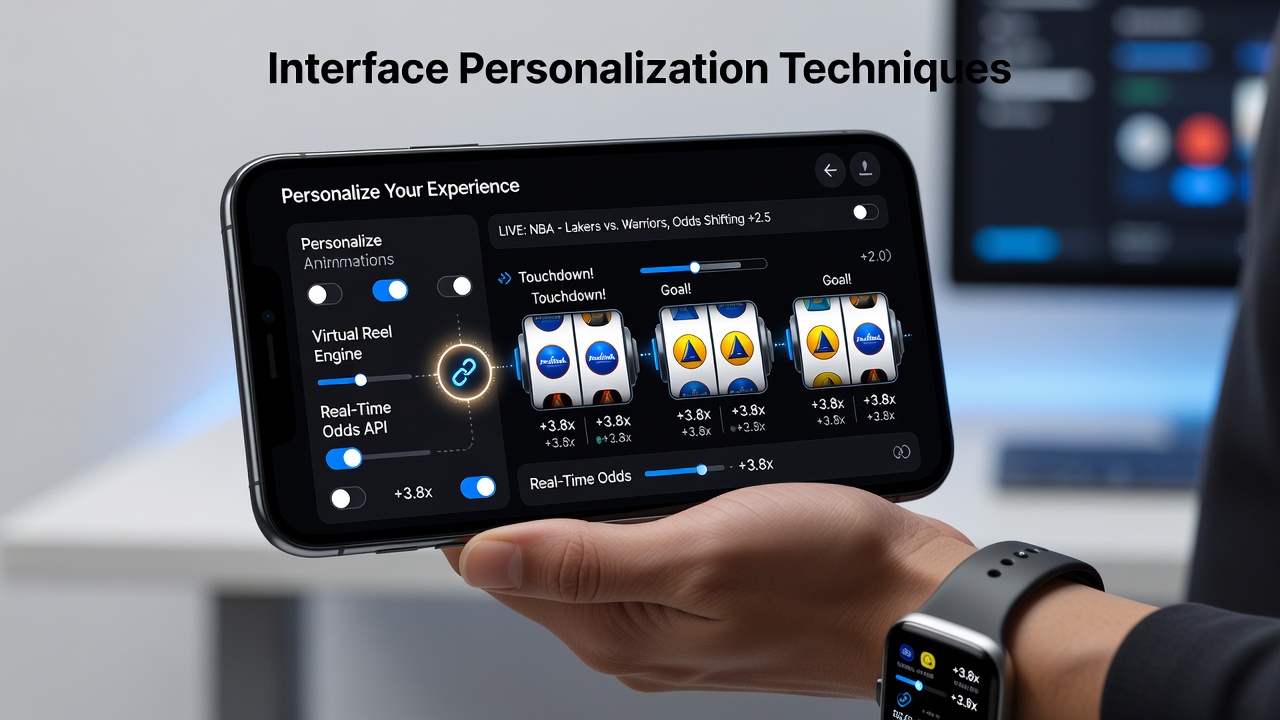
Smartphone applications that blend virtual reel mechanics with live sports wagering have developed sophisticated personalization systems over recent years, and these tools adjust content delivery based on individual user patterns. Developers integrate data from past reel sessions alongside real-time odds feeds to create interfaces that shift dynamically, presenting slot symbols or betting prompts aligned with observed preferences. Such systems rely on continuous analysis of session duration, wager sizes, and game selections to refine what appears on screen during active play.
Data Integration Methods in Hybrid Interfaces
Application frameworks collect behavioral metrics from reel spins and cross-reference them with incoming sports data streams, which allows the interface to prioritize certain visuals or odds displays without requiring separate navigation steps. Machine learning models process sequences of user choices, such as frequent selections of high-volatility reels paired with specific league events, then generate tailored layouts that surface matching sports propositions alongside spinning animations. Observers note that these models update in milliseconds, drawing from aggregated datasets maintained by platform operators to maintain relevance across multiple simultaneous events.
One approach involves embedding contextual triggers where a reel outcome influences the prominence of related odds panels, for instance when symbols align with team colors or event themes pulled from current fixtures. This linkage operates through API connections that pull live line movements from sports data providers and overlay them onto the reel grid in formats adjusted for screen size and user history. Studies from research institutions have documented how such synchronization reduces navigation friction while preserving distinct game modules.
Algorithmic Personalization and Display Adjustments
Algorithms segment users according to engagement profiles derived from combined reel and betting activity, then apply rules that alter button placement, color schemes, and notification timing. Users who show consistent interest in accumulator bets might see reel interfaces that highlight progressive features while simultaneously featuring live odds for correlated matches, all without manual configuration. These adjustments draw on historical session logs and current market volatility to determine priority elements, ensuring the display evolves as events progress.
Platform operators employ A/B testing protocols to validate which personalization variants sustain longer engagement periods across different demographic groups. Data from these tests informs refinements in how odds refresh rates interact with reel spin durations, preventing visual conflicts during peak usage times. Regulatory filings indicate that such testing occurs under oversight from bodies like the New Jersey Division of Gaming Enforcement, which tracks compliance in multi-game environments.
Real-Time Synchronization Processes
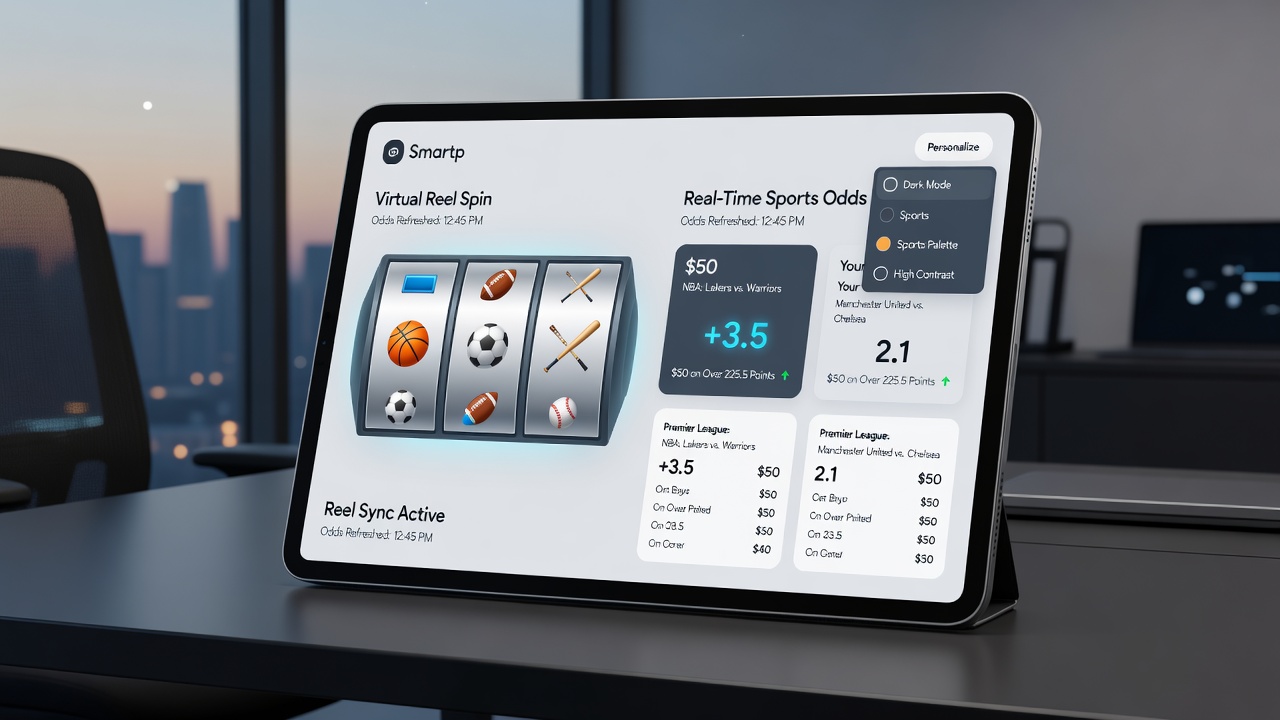
Live odds integration occurs through dedicated data pipelines that feed updates directly into the reel environment, allowing the interface to highlight opportunities that align with recent spin results or accumulated session statistics. When a sports event experiences rapid line shifts, the system can surface corresponding reel modifiers or bonus triggers calibrated to the user's established patterns. This process maintains separation between gaming categories while creating visual and functional bridges that respond to external market signals.
Developers implement caching mechanisms to handle fluctuating data volumes during major tournaments, ensuring reel animations continue uninterrupted even as odds panels refresh. Geographic variations appear in implementation, with applications serving Australian markets incorporating additional verification layers consistent with local oversight from the Australian Communications and Media Authority. The result is an adaptive screen that presents options without forcing users to switch contexts manually.
June 2026 Platform Developments
By June 2026 several operators expanded these personalization layers to accommodate increased mobile traffic during overlapping sports calendars and reel tournaments. Updates included enhanced predictive elements that anticipate user interest based on combined historical data from both verticals, resulting in interfaces that pre-load relevant odds during reel bonus rounds. Industry reports track measurable increases in session continuity following these rollouts, particularly in regions with established multi-product licensing frameworks.
Conclusion
Interface techniques that connect virtual reel spins to real-time sports odds continue to evolve through iterative data practices and regulatory compliance measures. These systems demonstrate how smartphone applications can maintain distinct game identities while enabling fluid transitions driven by user-specific signals and live market inputs. Ongoing refinements reflect broader industry patterns in mobile gaming infrastructure, supported by technical standards that prioritize responsiveness and data accuracy across diverse operating environments.