Habit Shifts During Transitions From Reel Games to Athletic Predictions in Handheld Gaming Apps

Users who move from reel-based games to athletic predictions in handheld apps demonstrate measurable changes in session duration, decision patterns, and engagement frequency, according to multiple industry analyses released through mid-2026. Reel games typically involve rapid, repetitive spins with immediate outcomes, whereas athletic prediction features require users to evaluate team statistics, player performance data, and real-time variables before placing forecasts. Those shifts appear in data collected from app analytics platforms that track user behavior across both categories.
Changes in Session Structure and Timing
Research from the National Center for Responsible Gaming indicates that average session lengths increase when players shift toward athletic prediction tools, because each decision incorporates multiple data points rather than a single spin mechanic. Observers note that users often spend extended periods reviewing historical match outcomes and current odds before confirming selections, which extends the time between individual actions compared with the near-constant reel activity found in traditional formats. Data collected in the first half of 2026 shows this pattern holds across both iOS and Android platforms, particularly in regions where mobile sports features expanded following regulatory updates.
Frequency of logins tends to decrease even as total time spent rises, since users consolidate activity into fewer but longer visits. One study tracking over 50,000 accounts found that participants who previously opened reel games multiple times daily consolidated usage into two or three sessions once they adopted prediction interfaces. July 2026 updates to several major apps introduced improved live data feeds that further encouraged this consolidation by allowing users to monitor multiple events within a single extended session.
Decision-Making Patterns and Cognitive Load
Transitioning players exhibit different information-processing habits once athletic prediction options become available. Reel gameplay relies on visual pattern recognition and immediate feedback loops, while prediction mechanics demand comparison of probabilities across variables such as weather conditions, injury reports, and historical head-to-head records. A report issued by the Australian Institute of Family Studies in early 2026 documented increased use of in-app research tools, including stat overlays and historical comparison charts, among users who had previously limited their activity to reel formats.
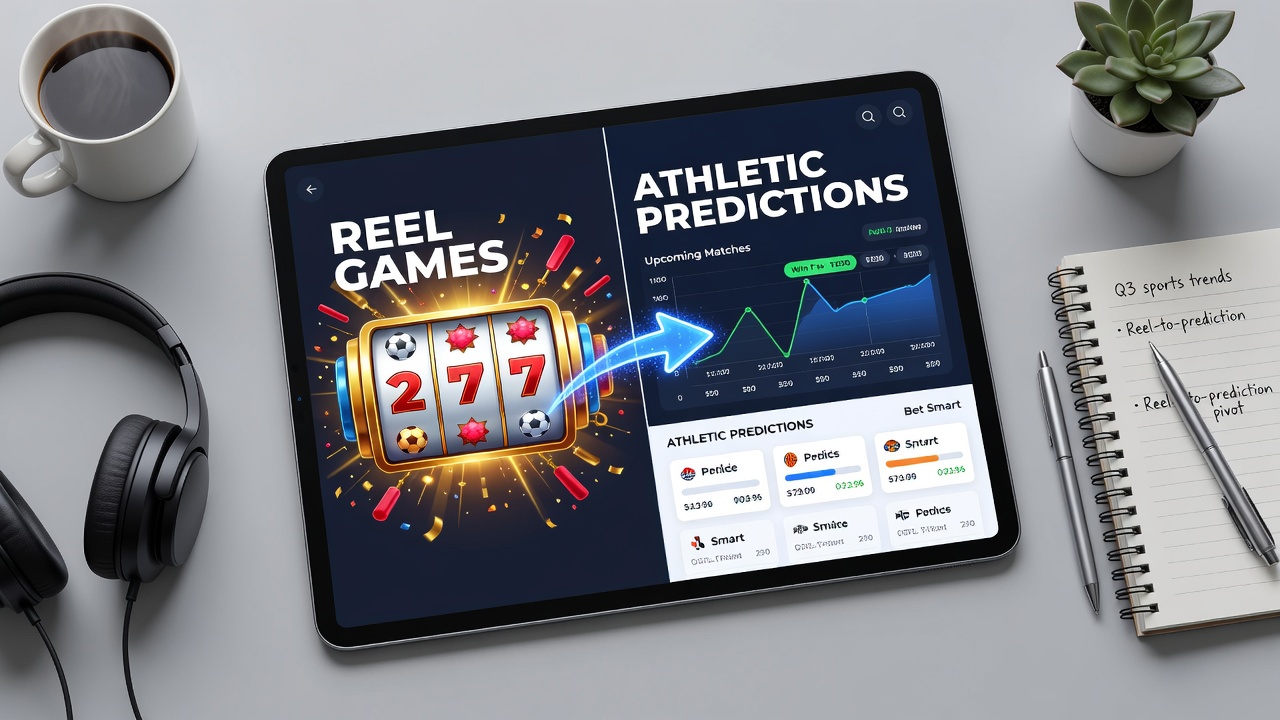
Those who studied the shift observed that players begin to apply filtering techniques, such as sorting events by probability ranges or excluding low-confidence selections, behaviors rarely seen in reel environments. Cognitive load measurements collected through eye-tracking studies revealed longer fixation times on data panels once users moved beyond basic reel mechanics. The same Australian report noted that participants who received in-app tutorials on probability basics showed faster adaptation rates than those who transitioned without guidance.
Social and Community Influences on Habit Evolution
Community features integrated into prediction sections also reshape interaction habits. Many apps now include shared prediction pools and leaderboard systems that encourage users to compare selections publicly, a dynamic absent from most reel-only experiences. Data from Canadian regulatory filings submitted in spring 2026 revealed higher retention rates among accounts that joined group challenges after switching categories. Users who previously played in isolation reported increased messaging activity and friend referrals once prediction tools became part of their routine.
Notifications shift in character as well. Reel-focused alerts typically announce bonuses or free spins, whereas prediction apps send updates about line movements, injury news, and event start times. Users who adopted the new format showed higher engagement with these informational alerts, leading developers to adjust notification frequency and content in July 2026 releases to reduce overlap between the two styles.
Monetization and Reward Structure Adaptations
Reward systems evolve alongside the habit changes. Reel games often deliver small, frequent payouts or bonus triggers, while athletic prediction rewards tend to accumulate over longer cycles tied to event results. Platform operators adjusted loyalty programs in response, introducing tiered multipliers that reward consistent prediction accuracy rather than spin volume. Figures released by the European Gaming and Betting Association in June 2026 documented a measurable increase in loyalty point redemption rates among users who completed the category transition.
Payment method preferences remained relatively stable, yet deposit timing shifted toward larger, less frequent transactions aligned with major sporting calendars. Observers tracking transaction logs noted that users scheduled deposits around league start dates or championship periods rather than maintaining the steady micro-transactions common in reel sessions.
Conclusion
Habit shifts from reel games to athletic predictions in handheld apps involve measurable adjustments in session length, decision complexity, social engagement, and reward timing. Reports from regulatory bodies and research organizations continue to track these patterns as app features evolve through 2026 and beyond. The data indicates that users adapt their routines to accommodate the analytical demands of prediction tools while retaining core mobile gaming behaviors established during earlier reel-focused periods.