Esports Broadcast Overlays Reshaping Real-Time Wager Adjustments in Portable Sportsbook Interfaces
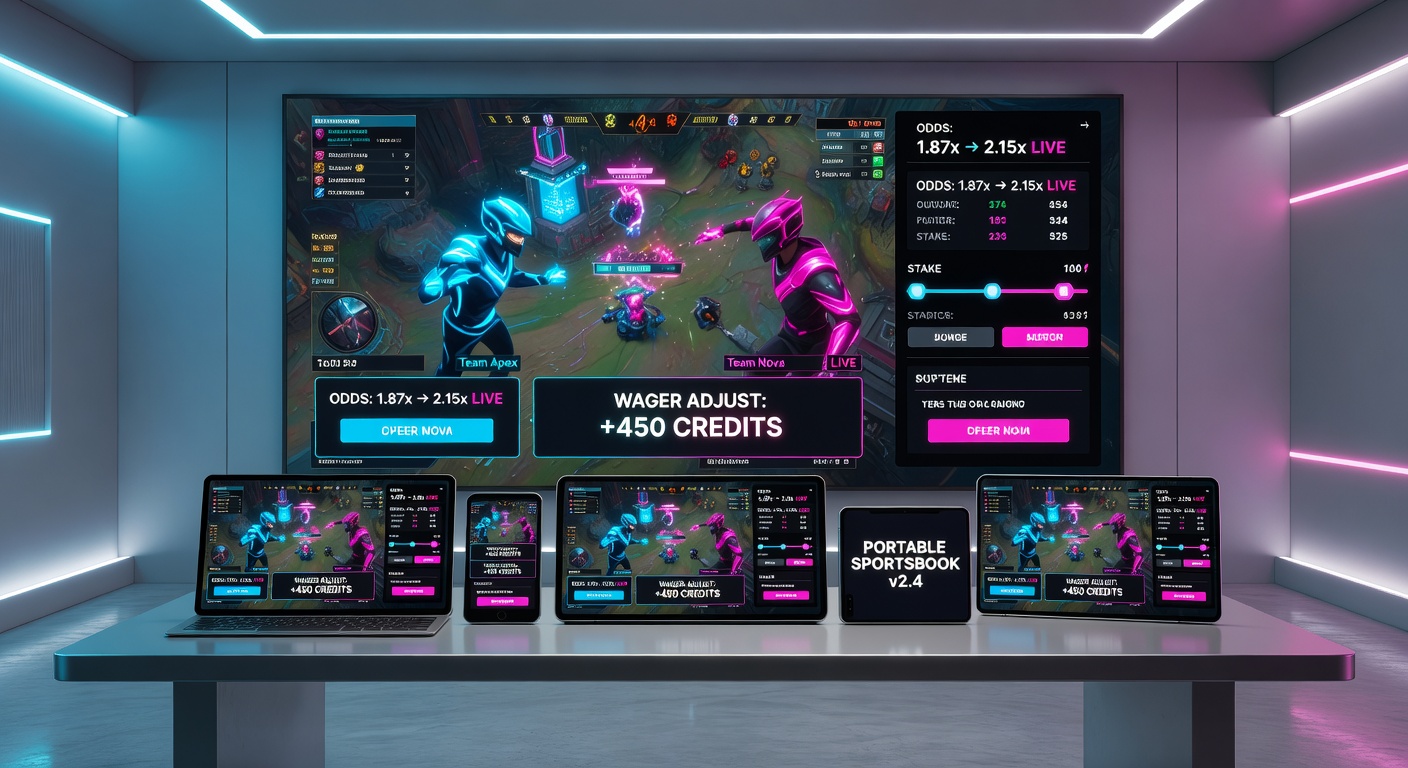
Esports broadcast overlays have evolved into dynamic tools that deliver live statistics, player performance metrics, and event timelines directly onto mobile viewing screens, and these elements now connect with sportsbook applications to enable rapid wager modifications without leaving the stream interface. Developers integrate data feeds from game servers into overlay graphics, which then trigger corresponding updates in betting markets such as kill counts, objective captures, and round outcomes across titles like League of Legends and Counter-Strike. Portable devices receive these signals through application programming interfaces that adjust odds in seconds, allowing users to place or modify bets based on the visual information presented during matches.
Overlay Mechanics and Mobile Integration
Broadcast production teams embed real-time data layers into esports streams using specialized software that pulls from official game clients, and sportsbook platforms mirror these layers through synchronized APIs to reflect changes in portable interfaces. When an overlay highlights a spike in a team's economy or a key player's health status, the connected betting system recalibrates live odds for related markets, such as next objective winner or total map points. In June 2026 several major platforms expanded this synchronization across Android and iOS applications, incorporating gesture-based controls that let users confirm adjusted stakes while the overlay remains visible on screen. Observers note that this approach reduces the steps required for bet placement compared to traditional navigation between separate viewing and wagering windows.
Data Synchronization Standards
Industry groups have established protocols for sharing timestamped event data between broadcast overlays and sportsbook backends, which ensures consistency across different device resolutions and network conditions. Research from the European Gaming and Betting Association indicates that standardized data packets now support sub-second latency in most commercial esports productions, allowing wager adjustments to align closely with on-screen developments. Application developers test these connections through simulated match environments before deployment, verifying that mobile interfaces update without lag or desynchronization even during peak viewing periods.
Impact on User Interaction Patterns
Portable sportsbook interfaces incorporate overlay-triggered prompts that appear as semi-transparent banners or side panels, guiding users toward relevant markets as events unfold on the main stream. Those who monitor multiple data points during matches often find these prompts useful for spotting shifts in probability, such as when an overlay displays an unexpected surge in damage output that influences round-win odds. Data from platform analytics shows increased engagement with in-play betting features during esports events where overlays provide granular breakdowns of team compositions and item builds. Regulatory bodies in regions including Ontario have reviewed these interface designs to confirm compliance with responsible gaming requirements while maintaining real-time functionality.
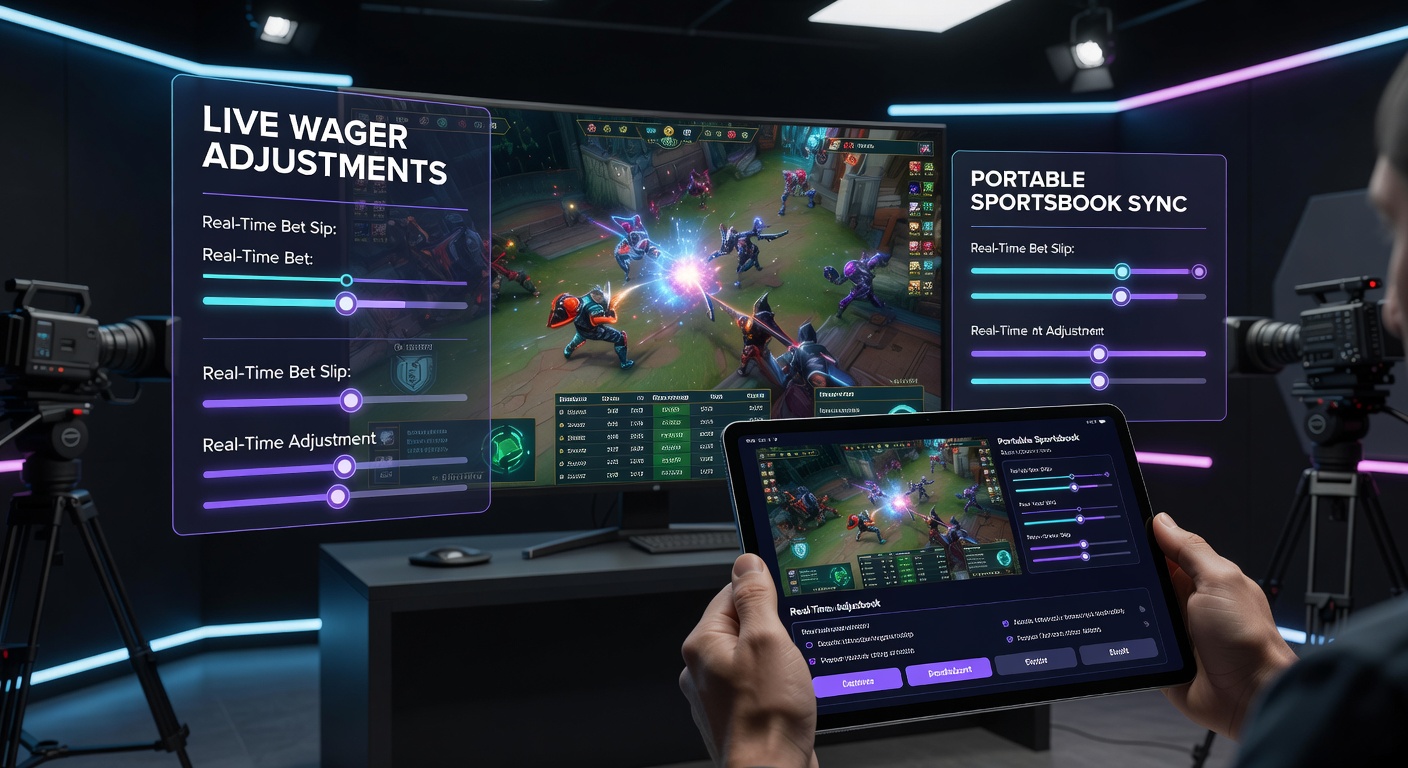
Case examples from tournament organizers reveal that partnerships between broadcast teams and betting operators have led to custom overlay modules tailored for specific game modes. One implementation in a major North American league allowed viewers to toggle between statistical views that directly influenced displayed wager options on linked mobile applications. This setup supports both casual observers and those tracking detailed metrics, since the overlay serves as the primary information source while the sportsbook interface handles transaction processing in the background.
Technical and Regulatory Considerations
Network optimization plays a central role in maintaining overlay accuracy on portable devices, where variable connection speeds can affect data delivery. Engineers employ edge computing solutions to cache common overlay elements locally, reducing reliance on continuous server requests during live events. Figures from industry reports highlight that these techniques have improved reliability for users in areas with fluctuating mobile signals. Government agencies in Australia and several EU member states continue to monitor how such integrated systems handle user data and ensure fair presentation of betting information alongside broadcast content.
Academic studies on human-computer interaction have examined how simultaneous viewing of overlays and betting controls influences decision timing in mobile environments. Researchers at institutions focused on digital media have documented patterns where users respond to visual cues from overlays within defined time windows, prompting developers to refine alert mechanisms that avoid overwhelming the primary stream view. These findings contribute to ongoing refinements in interface layouts that balance information density with usability across different screen sizes.
Future Developments in Overlay-Driven Betting
Continued advancements in graphics rendering and data compression point toward more sophisticated overlay features that could incorporate predictive elements based on historical match data. Platform operators explore machine learning models that anticipate market movements from overlay patterns, though current implementations remain focused on direct event reporting rather than forecasts. Trade associations track adoption rates across regions to understand how these tools affect overall participation in mobile esports wagering. Partnerships between game publishers and betting technology providers are expected to expand the range of supported titles and overlay data types in upcoming seasons.
Conclusion
Esports broadcast overlays have established a direct pathway for real-time wager adjustments within portable sportsbook interfaces by merging visual data presentation with backend betting systems. Technical standards and regulatory oversight support this integration across multiple jurisdictions, while user interaction data continues to guide refinements in how overlays connect with mobile controls. As platforms expand synchronization capabilities, the relationship between live broadcast elements and dynamic betting markets remains a central focus for developers and operators alike.