Bridging Virtual Dealer Interactions with Real-Time Event Wagering Through Adaptive Interface Technologies
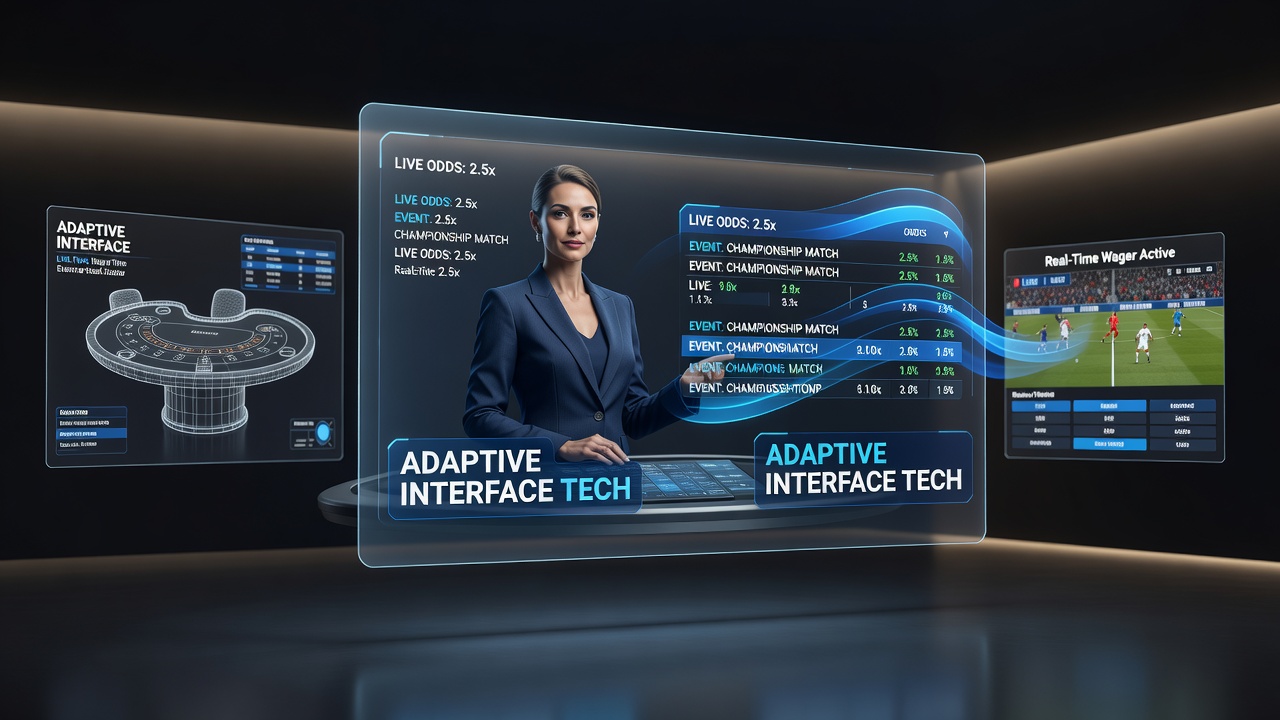 Technological platforms continue to develop systems that connect virtual dealer environments with live event wagering through responsive interface designs, and these solutions adjust dynamically as users move between table games and sports markets. Developers incorporate machine learning models that track session behavior, then modify layout elements such as button placement, odds visibility, and dealer video streams in response to shifting user priorities.
Core Mechanisms of Adaptive Interfaces
Adaptive interfaces rely on real-time data streams that combine live dealer feeds from studio environments with odds updates from sportsbooks, while algorithms prioritize which elements appear on screen based on current activity levels. When a basketball game enters overtime, for example, the system expands the sports panel and reduces dealer window size without requiring manual input from the user. Research from the University of Nevada's International Gaming Institute indicates that such adjustments improve task completion rates across tested prototypes.
Engineers design these systems around modular components that allow seamless transitions between game types, and synchronization protocols ensure dealer actions align with betting windows that open during live sports moments. Data shows latency reductions to under 200 milliseconds in optimized networks, which supports uninterrupted play across both verticals.
Integration in Mobile Environments During July 2026
July 2026 saw multiple operators deploy updated applications that merged virtual roulette sessions with in-play soccer markets on single screens, and users in regulated markets received notifications when dealer tables synchronized with match events. Platforms adjusted color schemes and notification priorities automatically when live events overlapped with peak table activity periods.

Operators in New Jersey reported increased concurrent usage after implementing these features, according to figures released by the New Jersey Division of Gaming Enforcement. The integration allows players to place accumulator bets while a virtual blackjack dealer processes hands, with interface scaling that prevents overlap between controls.
Technical Standards and Data Flow
Developers follow established protocols for data exchange between casino management systems and sportsbook engines, which permits adaptive interfaces to pull dealer stream metadata and odds feeds simultaneously. Security layers encrypt both transaction data and video packets to maintain compliance across jurisdictions.
Testing conducted by the Malta Gaming Authority in coordination with software vendors confirmed that adaptive scaling maintains consistent frame rates above 60 frames per second on mid-range devices, while background processes handle risk calculations without visible interruption. Observers note that these standards reduce the need for separate applications dedicated to each product category.
Regulatory Considerations Across Regions
Regulators in multiple markets require clear separation of funds and transparent display of terms when interfaces combine dealer and sports elements, and licensing frameworks in Canada and Australia emphasize audit trails for algorithmic decision-making. The Australian Communications and Media Authority published guidelines in early 2026 that address interface adaptability in multi-product environments.
Industry associations such as the American Gaming Association have documented case studies showing how adaptive systems support responsible gaming tools through dynamic limit displays that appear contextually during extended sessions. These implementations allow operators to meet jurisdiction-specific reporting requirements without altering core user flows.
Conclusion
Adaptive interface technologies continue to reshape how virtual dealer interactions connect with real-time event wagering by enabling fluid transitions across product types. Data from regulatory bodies and research institutions demonstrates measurable improvements in session management and technical performance as these systems mature through 2026. Operators and developers maintain focus on compliance and synchronization standards to support sustained integration across global markets.