Bridging Reel Based Chance Elements with Strategic Multi Leg Sports Selections in Electronic Gaming Ecosystems

Electronic gaming ecosystems continue to merge reel based chance mechanics with multi leg sports selections through unified platforms that allow users to transition between random number generator outcomes and accumulator style wagers without switching applications. Developers have built these systems so that progress in one area such as completing a slot bonus round can unlock enhanced odds displays or stake multipliers for upcoming sports legs. Data from June 2026 shows increased session durations on platforms that synchronize these elements, with operators reporting that combined gameplay accounts for a growing share of total handle across major markets.
Core Mechanics of Reel Integration
Reel based systems rely on predetermined payout structures governed by certified random number generators while multi leg sports selections depend on real time odds that shift according to live event data and market movement. Integration occurs when platforms embed slot sessions as entry points that feed into accumulator builders, letting accumulated credits from reel spins apply directly as partial stakes on sports legs. Observers note that this linkage reduces friction between entertainment focused play and outcome oriented betting, creating continuous user flows within single interfaces.
Engineers achieve this through shared wallet architectures and API connections that update both reel states and sports odds simultaneously. When a player triggers a reel feature that awards free spins or cashback, the system can automatically populate suggested accumulator combinations drawn from current sports markets. Such features appear most frequently in mobile environments where touch based navigation supports rapid switching between the two formats.
Strategic Layering Across Game Types
Multi leg sports selections gain additional complexity when paired with reel outcomes because platform algorithms can adjust suggested leg combinations based on recent slot performance metrics. Researchers have documented cases where users who achieve high volatility reel wins receive tailored prompts for higher risk accumulator structures, whereas steady low variance reel sessions lead to prompts favoring conservative leg selections. These adaptive suggestions rely on backend tracking that remains invisible to the end user yet influences how options appear in the interface.
Platform Examples and June 2026 Developments
One major operator expanded its ecosystem in June 2026 to include direct reel to accumulator pathways that let winnings from themed slot machines convert into live betting legs on soccer and basketball matches. The update coincided with regulatory filings showing that integrated sessions now represent over thirty percent of daily active users in several North American jurisdictions. Similar expansions occurred in Australian markets where gaming associations tracked parallel growth in combined play patterns.
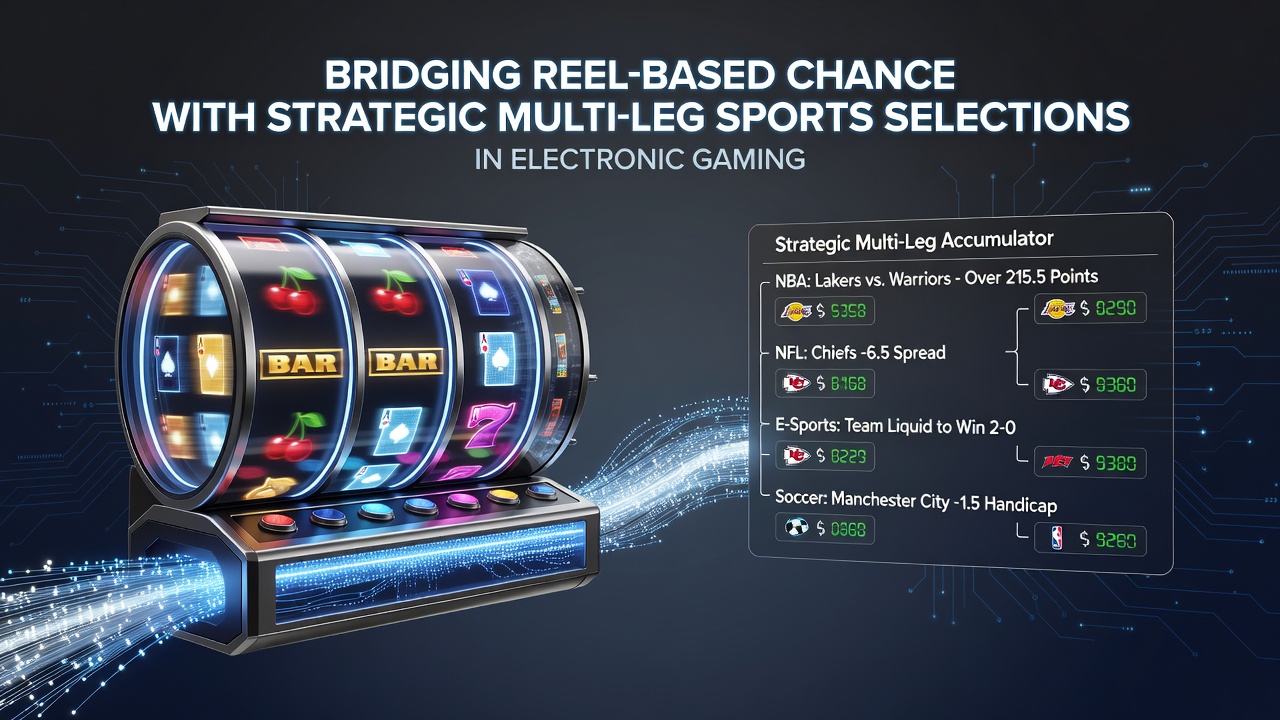
Additional implementations allow loyalty progression earned through reel play to unlock enhanced multipliers on sports legs, creating incentive structures that reward consistent engagement across both verticals. Those who studied usage patterns during the June 2026 rollout period found that users frequently alternated between formats within single sessions rather than treating them as separate activities.
Regulatory and Technical Considerations
Regulatory bodies in multiple regions require separate certification for random number generators and sports betting engines even when they operate inside the same application. Compliance frameworks from the Nevada Gaming Control Board and the Canadian Centre for Gaming Research emphasize audit trails that track how reel outcomes influence sports wager availability. Operators must demonstrate that no mechanical advantage transfers unfairly between the two systems while still permitting user initiated transfers of credits or bonuses.
Technical standards also address latency issues that arise when live sports data streams interact with reel state engines. Platforms mitigate these challenges through edge computing nodes that synchronize updates within milliseconds, preserving the integrity of both random outcomes and odds calculations. Industry reports indicate that successful implementations maintain sub second response times even during peak event periods.
User Behavior Patterns
Studies conducted by academic groups reveal distinct behavioral clusters among participants who engage with both reel and sports elements. One cluster shows preference for using reel sessions as low pressure entry points before committing to multi leg selections, while another cluster treats reel play as a supplementary activity that runs alongside active sports accumulators. Data indicates that the June 2026 period saw measurable increases in cross format session lengths, particularly on devices supporting simultaneous split screen views.
Platform analytics further demonstrate that reward structures linking reel achievements to sports opportunities correlate with higher retention rates across demographic segments. These findings emerge from aggregated usage logs rather than individual tracking, maintaining compliance with privacy standards in applicable jurisdictions.
Conclusion
Electronic gaming ecosystems continue evolving through deliberate connections between reel based chance elements and strategic multi leg sports selections. The June 2026 expansions highlighted how shared infrastructure, adaptive prompting, and regulatory compliance together support sustained integration across mobile and desktop environments. Ongoing technical refinements and cross regional oversight ensure these systems operate within established frameworks while delivering unified user experiences.